

By Weston Pawelek, Owner of Critter Control of Rio Grande Valley
Edinburg TX - Everyone wants to go someplace warm, like South Texas, during the cold winter months, and that goes beyond just people. Freezing temperatures from the North bring migratory bat species to the Rio Grande Valley every year. The problem is, once these bats choose a home, they often plan to stay there for good, even when northern temperatures warm back up. If a colony of bats has turned your attic, porch or chimney into their new home, they likely have no intention of leaving.
Bats in the Valley
This migration pattern, combined with the native bats that already lived in the Rio Grande Valley, causes an annual spike in the number of bats living in South Texas homes. To make matters worse for homeowners, many of these bats will begin giving birth in April. Because of their protected status, they cannot be removed from your home if they have newborn pups, so unless homeowners handle their home bat issues soon, they’ll be stuck living with a colony of bats in their homes all summer. You’ll need to wait until they can be humanely removed in the fall.
Be vigilant
The smartest thing you can do right now is be vigilant, looking out for the signs of bats in your home. If you start noticing strange, unfamiliar sounds or smells, it’s best not to ignore them and hope they’re something that’ll go away on their own; you’ll want to be sure if it’s a bat problem before it’s too late.
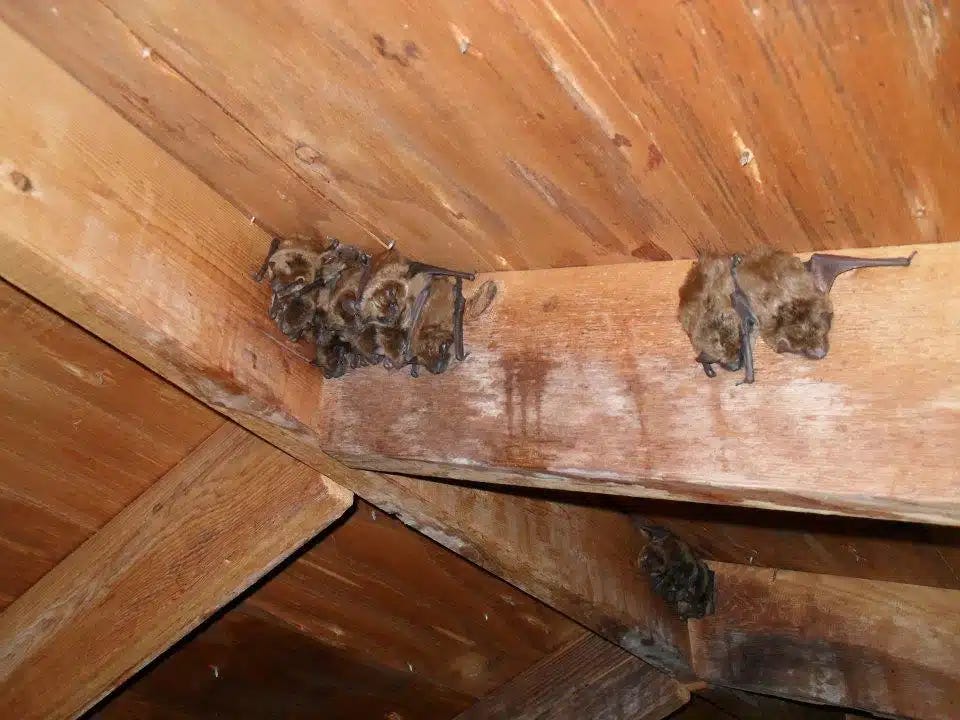
Due to their nocturnal schedule, you may not notice any obvious bat activity during the day, but if you see them closely flying around your home at dusk or in the evenings, they may be using your house as a habitat. Within the home, bats most commonly roost in attics, chimneys, hollow porch columns, and inside walls (often in homes with a spacious gap between a brick wall exterior and plywood interior). One of the most telling signs of a bat infestation is the buildup of their guano (droppings), which becomes quite pungent and noticeable quickly, especially if you have an average-size colony of five-to-ten bats living with you.
What to know
For many, having bats living in their home is a terrifying notion that they’d want to rectify immediately. But for some, it doesn’t seem like that big of a deal; they leave the bats alone and put off their removal for another time. This can be a crucial mistake for homeowners for several reasons:
1. Bats are carriers of rabies: though they prefer to avoid human interaction, they may bite or scratch you and your pets if they feel threatened. This necessitates a cautionary rabies shot, even if it turns out that particular bat was not a rabies carrier.
2. Bats spread diseases through their guano: in addition to the repugnant smell of bat guano, spores carrying diseases can make their way into your home’s ventilation systems and infect residents or pets. The buildup of their guano and urine can also stain and damage your walls, attic, and ceilings.
3. Summer maternity season: even if you don’t feel the need to rush to get the bats out of your home right away, you’ll likely want them out at some point in the near future. But starting in April, bats will begin giving birth (typically one pup per bat). This means, due to federal protections, you cannot remove them for four-to-five months while their newborn pups develop and gain the strength to fly on their own. You may not feel compelled to get them out right now, but you’ll likely want them out sometime before September; it’s imperative to act fast.
Best to call a pro
When it comes to removal, it’s best to leave the job to a professional. Direct handling of bats can have legal consequences if they aren’t in your actual living space, and the process never goes as easily as you think it will; it puts you, your family, and your pets in danger. Even if you could manage to safely get one out, there may also be more bats in your home than you realize. And even if you cleared your house of them all, you’ll still need to seal off the entrance from which they came, which can be quite difficult to identify and properly seal.
Seeking out a trained wildlife removal professional is the best way to ensure you comply with all laws and regulations, while ensuring that the problem is handled properly and your home is completely inspected and sealed, preventing any issues in the future.
There are countless bat colonies in South Texas homes right now, preparing to give birth next month. Don’t ignore the signs, hoping that it won’t happen to you.